What Is Doujin Moe? A Clear Guide to Fan-Made Manga, Search Intent, and Safe Reading
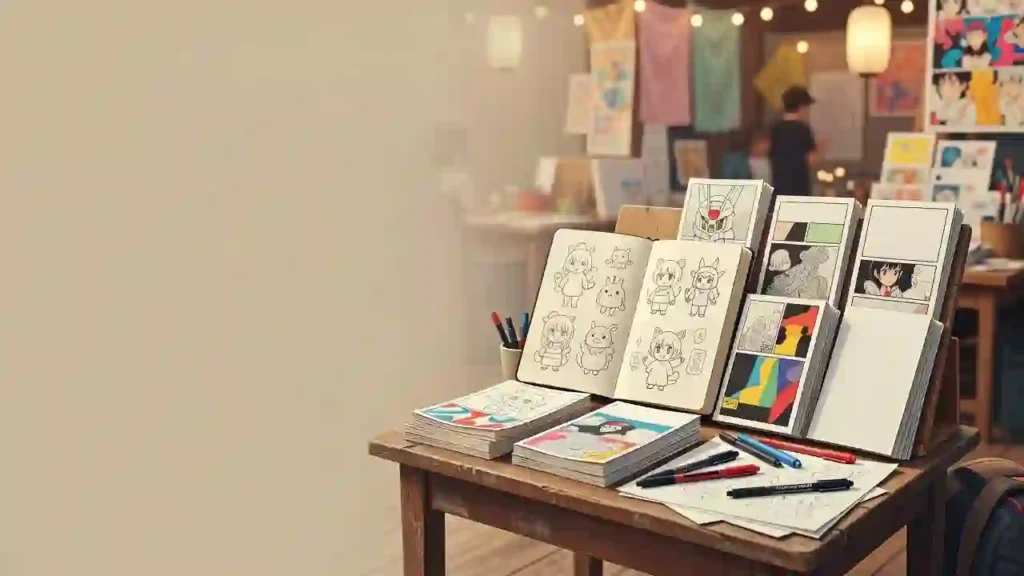
Searching for doujin moe can lead to very different results: fan comics, character illustrations, adult-only pages, reposts, or unrelated sites using similar words. That makes it hard to know what a result contains or whether it is safe and lawful to view. This guide explains the term, the culture behind it, the main search variations, and simple checks for age ratings, copyright, privacy, and source quality—so readers can make informed choices before they click.
What does “doujin moe” mean?
The phrase combines two Japanese-derived terms used in anime and manga communities. “Doujin” commonly refers to independently made or self-published creative work, often produced by fans or small circles. “Moe” is a flexible fandom term for an affectionate response to a character’s appeal, charm, design, or personality. Meanings shift by community, so the phrase does not identify one official genre, publisher, website, or rating.
A result described this way might be a short comic, a fan illustration, a parody, a character study, a collection, or a page that simply uses popular search words. The label alone cannot tell you whether a work is official, safe, suitable for your age, or authorized by the rights holder. Read the page description and rating rather than treating a keyword as a quality guarantee.
The word “doujin” also appears in terms such as doujinshi, which usually means a self-published comic or booklet. Many doujin creators produce original stories; others make fan works based on existing characters. “Moe” describes a style or response, not a promise that a story is cute, nonsexual, or appropriate for every reader. Context matters.
Why do people search for this topic?
Searchers may be trying to identify a phrase they saw in a post, find a particular artist, understand a fan-made comic, or distinguish official manga from independent work. Others enter a character or series name alongside the phrase. Search engines may also surface pages that have copied metadata or combined unrelated terms to attract traffic.
That variety creates mixed intent. A single results page can include general culture explainers, legal purchase pages, image galleries, adult material, and deceptive downloads. Search intent is not proof that a page is trustworthy. Before opening a result, consider what you want to learn, whether you are old enough for its rating, and whether the publisher clearly identifies the work and its source.
A useful search strategy starts with a specific, non-explicit goal: for example, learning about self-publishing, finding an artist’s official catalog, or checking whether a comic is an authorized release. Prefer the creator’s own publication page, a recognized event catalog, or a reputable bookstore. Avoid queries and sites that promise free access to paid material without explaining permission.
Doujin culture: independent publishing and fan creativity
Independent comics have a long history in Japan and elsewhere. Small creator groups, individual artists, and fan circles can publish work outside large commercial studios. Events and specialist shops give creators ways to show, sell, and discuss their projects. Some works use original characters and worlds; some respond to established media; and some combine both approaches.
The culture is not one uniform industry. A creator may make a few copies for an event, publish digitally, sell through a store, or share selected work on a personal account. Production values, language, format, and licensing status differ. A small print run does not automatically mean a work is unofficial in every sense, and a professional-looking page does not prove that the publisher has permission.
Fan communities can contribute art, criticism, humor, and new interpretations to a shared media conversation. They can also create disputes about copyright, trademarks, character likenesses, or platform rules. Readers should separate cultural description from legal conclusions: whether a particular use is allowed depends on the relevant law, facts, permissions, and jurisdiction.
A practical map of search terms and likely intent
The phrases below are examples of query patterns, not endorsements of any site or a promise that a search will lead to legitimate material. Terms including “hentai” or “porn” signal adult intent. Adult content is for adults only, and a label never makes material involving minors acceptable. Some franchise-related searches can also point to characters whose age varies by story or depiction, so do not assume that a result is suitable or lawful from the character name alone.
| Search phrase | Likely intent or ambiguity | A safer, more useful next step |
|---|---|---|
| doujin moe us | A location-specific query, a site name, or a search typed with “US” | Check the publisher’s identity, age gate, privacy terms, and whether the page is an official store. |
| doujin moe dude | Could refer to a person, account, meme, or an imprecise query | Confirm the creator’s identity through their own public profile; do not trust look-alike download pages. |
| doujin moe urakan | A name or spelling variant that may point to a creator or catalog | Verify spelling and attribution using a primary creator or publisher listing. |
| hentai doujin moe; doujin moe hentai | Adult-content intent | Adults should use lawful, age-gated sources and avoid material that sexualizes minors or presents uncertain ages. |
| doujin moe porn dude | Explicit search wording, possibly tied to a person or repost | Avoid nonconsensual, stolen, or impersonation content; do not download files from unknown hosts. |
| free doujin moe | A request for no-cost access, which may mean a preview or an unauthorized copy | Look for creator-approved samples, library access, or a legitimate free release. |
| naruto doujin moe; doujin moe naruto | Fan work associated with the Naruto franchise | Check the work’s rating, creator credit, and publication status; do not assume it is official. |
| doujin moe tsunade; tsunade doujin moe | A character-specific search for Tsunade | Check the actual rating and source. Character familiarity does not establish permission or suitability. |
| to love ru doujin moe | Fan work associated with To Love-Ru | Review age ratings carefully and use authorized creator or retailer pages. |
| shokugeki no soma doujin moe | Fan work associated with Food Wars! / Shokugeki no Soma | Confirm the work’s description and rating before viewing or purchasing. |
| doujin moe body swap | A story-trope search involving identity or body exchange | Read the synopsis and content notes; the phrase does not define how a story treats consent or identity. |
| doujin moe app | A query about an app, gallery, or reader | Check the developer, permissions, privacy policy, store listing, and age rating before installing. |
| doujin moe street fighter | Fan work associated with the Street Fighter series | Look for publisher attribution and a clear content rating; avoid deceptive “official” claims. |
| doujin moe femdom | Adult-themed search intent | Adults should check legality, consent framing, and clear age restrictions; this label alone is not a content summary. |
| oreimo doujin moe | A franchise-specific query involving Oreimo | Treat character ages and context with care; do not seek or share sexualized depictions of minors. |
| doujin moe doujin moe | A duplicated phrase, likely a typo or keyword-stuffed query | Search once with a clear subject or creator name instead of repeating terms. |
These search clusters help explain why a broad phrase can produce confusing results. If the goal is research rather than adult entertainment, add a neutral qualifier such as “history,” “meaning,” “publisher,” “creator,” or “copyright.” If the goal involves adult material, keep the search within lawful adult-only services and do not attempt to bypass age restrictions.
How to judge whether a result is trustworthy
A reliable page makes its purpose and publisher clear. It identifies the creator, distributor, or store; describes the format; shows a meaningful age rating when needed; and provides a reasonable way to report problems. A page that hides ownership, uses copied artwork without attribution, or pushes several download buttons deserves extra caution.
Use this quick checklist before you proceed:
- Publisher: Can you identify the creator, circle, retailer, or organization responsible?
- Attribution: Does the page name the artist and the original series where relevant?
- Rating: Is the age classification visible before the content appears?
- Description: Does the summary accurately explain the format and themes?
- Permission: Is the work sold or shared through a channel the creator identifies?
- Security: Does the page ask you to install an unknown app, browser extension, or executable?
- Privacy: Does the service explain what data it collects and how to delete an account?
- Payment: Are price, renewal terms, and cancellation steps clear before checkout?
A padlock icon only indicates an encrypted connection; it does not prove that a site is honest, authorized, or safe. Likewise, a large number of search results, social followers, or reposts does not establish the creator’s permission. When uncertain, leave the page and search for the artist’s official profile or a known retailer by name.
Adult ratings, age boundaries, and respectful access
Some search variants point toward hentai or other adult material. Keep age boundaries clear: adult-only works should be viewed only by adults, on services that enforce their stated restrictions. Do not bypass age gates, and do not share explicit material with people who have not consented to receive it.
Anime character ages can be unclear, changed between adaptations, or represented differently by a fan creator. A character’s appearance, popularity, or fictional status does not erase the need to follow applicable law and platform rules. Never seek, create, upload, or distribute sexual material involving minors, or content that sexualizes characters presented as underage. If a listing makes age or consent unclear, do not proceed.
Respect also includes the people who make and distribute the work. Do not repost paid scans, remove artist credits, or circulate private material without permission. If a creator offers a free preview, follow the stated terms; a preview is not blanket permission to copy or redistribute the full work.
Buying, reading, or collecting independent comics
Before spending money, check the title, creator, language, format, edition, and shipping or download terms. A digital listing should say whether access is permanent, limited to an app, or tied to an account. A physical listing should explain the edition and condition. Keep receipts and order confirmations, and use a payment method with clear dispute procedures.
If you collect print works, store them away from moisture and direct sunlight. Keep adult-rated items separate from materials intended for younger readers. For digital collections, use reputable storage and follow the publisher’s terms; do not share account credentials or files in ways that break those terms.
Free does not always mean lawful or safe. A creator may publish free work as promotion, a sample, or a complete release. A third-party page may instead use “free” to attract visitors to ads, credential theft, or unauthorized copies. Look for a clear source and avoid files that require an unrelated installer or a suspicious permissions request.
Apps, privacy, and device safety
A search for an app can lead to official readers, community galleries, or unrelated software. Before installing anything, check the developer name, update history, age rating, privacy disclosures, and requested permissions. A comic reader should not need access to contacts, microphone, or precise location without a clear reason.
Use an official app store where possible, keep your operating system updated, and avoid sideloading packages from unknown pages. Do not enter a social, email, or payment password into a page reached from a pop-up. If a site demands notification access or displays repeated fake virus warnings, close it rather than following its prompts.
Privacy matters even when a page appears harmless. Consider whether a service records search history, shares data with advertising partners, or makes profile activity public. Use a unique password and enable multi-factor authentication when available. If you are a minor, do not create an account on an adult service or provide personal information to an unverified publisher.
How creators can publish more responsibly
Creators who make independent comics can help readers understand what they are offering. Use an accurate title and synopsis, credit collaborators, mark adult content before it appears, and make age limits easy to find. Distinguish original characters from fan works, and avoid suggesting that an unofficial comic is an authorized release.
Keep permission records for commissioned work, fonts, photographs, and other assets. Use a clear policy for reposts and translations. If the project draws on a commercial franchise, review the relevant rights-holder policies and local law before selling it. Policies can change, so check the current version rather than relying on old forum summaries.
Creators can also support accessibility and trust with readable text, image descriptions, accurate language labels, transparent pricing, and a contact route for corrections. A simple content note helps readers make informed choices without revealing every plot point. These steps benefit readers and reduce avoidable confusion; they do not guarantee legal approval or commercial success.
How publishers and site owners can build a useful topic page
A high-quality page should answer the reader’s actual question instead of repeating a keyword. Define doujin and moe in plain language, distinguish fan publishing from official releases, explain age ratings, and show how readers can verify a creator or seller. Use specific examples only when they clarify the topic and do not imply endorsement.
For search visibility, make the page easy to scan: one descriptive H1, logical subheadings, concise paragraphs, and a table that genuinely helps readers compare query intent. Add an author or editorial byline that reflects real responsibility. Review facts when event practices, policies, or platform rules change, and correct errors openly.
Search optimization cannot promise a top position, a specific click-through rate, or inclusion in an AI-generated answer. Helpful content earns trust by being accurate, original, transparent about limits, and useful to people first. Avoid fabricated testimonials, invented expertise, doorway pages, and repetitive keyword variants. Include sources that support factual statements, not just sources chosen to look authoritative.
Common misconceptions about the phrase
Misconception: It names one official website. The phrase is descriptive and appears in a range of user-generated contexts. A search term is not a publisher identity.
Misconception: Every doujin work is adult. Independent comics cover many genres and audiences. The rating and actual description matter more than the label.
Misconception: A fan-made work is automatically free to copy. Independent authors still have rights in their original contributions, and copying a commercial work may raise separate rights issues. Follow the creator’s stated terms.
Misconception: A search result is verified because it ranks highly. Ranking is not a certification of authorship, safety, or legal status. Check the source yourself.
Misconception: “Moe” tells you exactly what is inside. It can describe a character’s appeal or a fan’s response. It is not a precise genre classification or a content rating.
Frequently asked questions
What does doujin moe mean?
It combines a term for independent or self-published creative work with “moe,” a fandom word for a character’s appeal or charm. The phrase is not an official rating or a single publisher’s name.
Is every doujin comic adult content?
No. Independent comics include many genres, from comedy and drama to romance and adult-only work. Check the listing’s rating, summary, and publisher before viewing.
Is doujin moe an official anime or manga brand?
Not by itself. The phrase is used descriptively in searches and fan communities. Verify the name of the creator, publisher, or retailer instead of assuming that a result is official.
Can I read fan-made comics for free?
Sometimes creators release samples or complete works at no cost. Use a channel the creator identifies, and do not treat an unauthorized scan as a legitimate free release.
How can I tell whether a page is safe?
Check who runs it, whether the rating and privacy terms are clear, and whether it asks you to install unfamiliar software. Leave if the page uses deceptive buttons, impersonates a publisher, or hides what it collects.
Are fan works legal?
There is no one answer for every work or country. Rights, permissions, local law, and the specific use all matter. For a particular legal question, consult a qualified lawyer in the relevant jurisdiction.
A practical next step
Start with the question you actually need answered: the meaning of the term, the identity of a creator, the rating of a comic, or the legitimacy of a store. Then verify the page through a primary source, read the rating and terms before opening or paying, and leave if anything feels deceptive. That small pause protects your time, privacy, and the people whose work you are viewing. Share the guide with a reader or creator who could use a clearer map of independent manga culture.