Why Is Shouji Ramone the Best Slice of Life Anime?
Finding a genuinely heartwarming anime that captures the pure magic of childhood feels impossible. Too many shows rely on flashy battles or tired tropes, leaving you craving something real and emotional. Shouji Ramone delivers pure nostalgia and authentic coming-of-age stories that instantly restore your faith in the slice of life genre.
What is Shouji Ramone About?
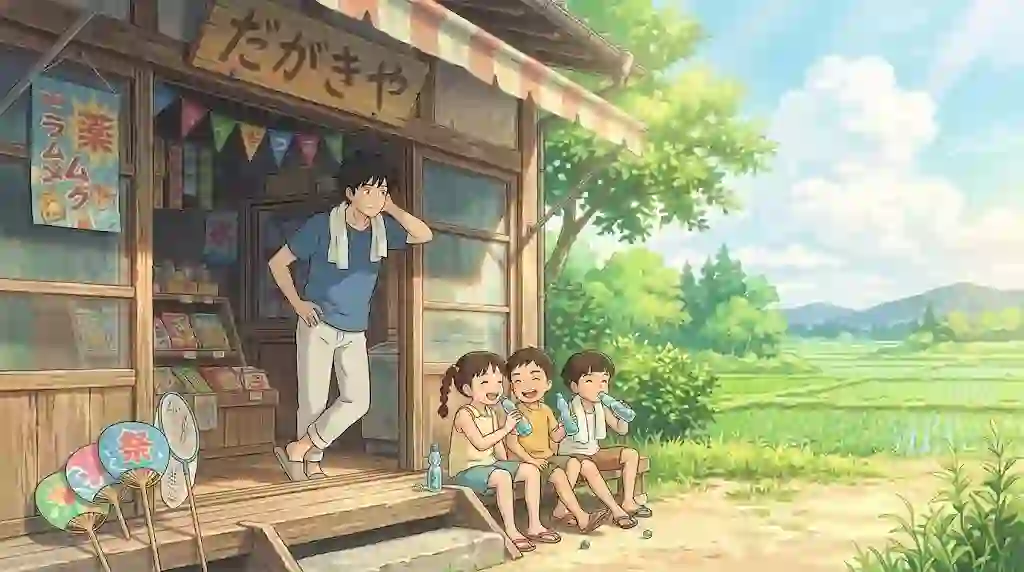
Shouji Ramone follows the daily life of Ken Motoori, a young man who runs a countryside candy store0. The store serves as a sanctuary for local children who visit after school0. Ken1 spends his days listening to their wild stories, resolving their tiny conflicts, and offering sweet treats0. The anime explores the simple yet profound moments shared& between a disillusioned adult and. The narrative strips away complex1 plots1 to1 focus1 on1 genuine9 humanC these1 interactions1 make1 the1 series1 a1 standout1 in1 the1 slice0 of0 life0> The% story8 highlights2 how2 innocent2 dreams2 clash2 with2 growing2 responsibilities2 Through2 these2 everyday2 visits2 the2 show2 paints2 a2 beautiful2 picture2 of6 rural6 Japanese6 life6 and6 the6 magic6 of6 childhood6 summers6.
The Core Themes of Shouji Ramone
The anime excels because it tackles universal themes with incredible grace. Shouji Ramone does not shy away from the pain of growing up. Instead, it embraces the transition from childhood imagination to adult reality.
- Childhood Dreams: The children who visit the store harbor massive dreams. They want to become heroes, astronauts, and idols. The show respects these aspirations even when they seem impossible.
- Adult Disillusionment: Ken represents the broken dream$ He abandoned his passion to run a shop in the countryside. His journey involves finding peace with* his new reality.
*: Community and Belonging: The candy store acts as the heart of the neighborhood. It provides a safe space where kids can just be kids. This sense of community resonates deeply with viewers. - He3 Through3 Nature: The rural setting plays a massive role in the storytelling. The slow5 pace of country life allows characters to heal naturally.
The series weaves these themes seamlesslyG into everyday conversations. You never feel lectured or manipulated. The emotions feel) earned and authentic.
Character Profiles in Shouji Ramone
The characters drive the entire narrative. Shouji Ramone builds a rich cast that feels like old friends. Each child brings a unique perspective to the candy store doorstep.
Ken Motoori
Ken is the protagonist and the owner of the candy store. He dropped his dreams of becoming a manga artist. He appears grumpy and withdrawn at first. However, he possesses a deeply caring heart. He protects the children’s innocence while battling his own regrets.
Kenta
Kenta is the energetic boy who always demands Ramune soda. He dreams of becoming a hero. His boisterous personality often gets him into trouble. Ken usually guides him back to the right path.
Daiki
Daiki is the quiet and imaginative friend. He loves space and wants to become an astronaut. His subtle observations often cut straight to the emotional core of a problem.
Kohei
Kohei struggles with his self-image and wants to be an idol. He deals with issues of masculinity and peer pressure. Ken helps him understand that staying true to yourself matters most.
Sayaka
Sayaka is the assertive girl who keeps the boys in check. She dreams of becoming a heroine. Her fierce loyalty to her friends makes her a compelling character.
Detailed Character Table
| Character | Core Dream | Personality Trait | Role in the Store |
|---|---|---|---|
| Ken Motoori | Forgotten Manga Artist | Cynical but Kind | Owner and Listener |
| Kenta | Hero | Loud and Impulsive | The Instigator |
| Daiki | Astronaut | Quiet and Thoughtful | The Observer |
| Kohei | Idol | Sensitive and Unsure | The Seeker |
| Sayaka | Heroine | Bossy and Loyal | The Protector |
The Setting of Shouji Ramone: A Summer Paradise
The setting elevates the entire series. Shouji Ramone takes place in a sleepy rural Japanese town. The animation captures the oppressive heat of summer perfectly. You can almost feel the humidity and hear the cicadas.
The countryside isolates the characters from the frantic pace of Tokyo. This isolation forces them to interact with each other. The candy store becomes their entire universe. The dusty shelves, the faded signage, and the cold refrigerator create an atmosphere of nostalgia. This environment speaks directly to anyone: who grew up spending their allowance at a local corner store. The visual storytelling makes the setting a character in its own right.
How Shouji Ramone Handles Growing Up
Growing up is a terrifying concept. Shouji Ramone handles this fear with unmatched empathy. The children face everyday issues like bullying, jealousy, and family expectations. The show validates their feelings. It never dismisses their problems as just kid stuff.
Ken serves as the bridge between childhood and adulthood. He remembers the pain of giving up on his dreams. He actively tries to preserve the children’s hope for as long as possible. When a child realizes their dream might be impossible, Ken does not offer false platitudes. He offers them a cold Ramune and a listening ear. This approach makes the emotional beats hit much harder. The series argues that growing up does not mean abandoning who you are. It means finding new ways to keep your spark alive.
The Animation and Art Style of Shouji Ramone
Studio Doga Kobo produced the animation for Shouji Ramone. They brought incredible expertise to this slice of life project. The art style uses soft pastel colors to enhance the nostalgic tone.
The character designs are deceptively simple. The children look and move like actual children. They fidget, they run awkwardly, and they express joy with their entire bodies. Ken’s body language reflects his internal exhaustion. The animators paid close attention to subtle facial expressions. A slight twitch of an eyebrow communicates volumes. The backgrounds feature lush greenery and detailed store interiors. This high production value makes every frame a joy to watch.
The Soundtrack and Music of Shouji Ramone
The audio design in Shouji Ramone creates an immersive experience. The soundtrack relies heavily on acoustic guitar and gentle piano melodies. These instruments perfectly match the rural setting.
Sound effects play a crucial role too. The fizz of opening a Ramune bottle, the crunch of gravel under bicycle tires, and the distant chirping of summer bugs ground the anime in reality. The opening theme song captures the energetic hope of childhood. The ending theme provides a melancholic yet hopeful reflection on the day’s events. The voice actors deliver outstanding performances. The children sound authentic rather than squeaky or forced. Ken’s deep, tired voice anchors the entire auditory experience.
Shouji Ramone vs Other Slice of Life Anime
Many slice of life anime exist, but Shouji Ramone stands out from the crowd. Shows like Non Non Biyori focus heavily on comedy. Barakamon shares similar themes of an adult finding redemption through children. However, Shouji Ramone carves its own unique path.
It focuses intimately on the concept of broken dreams and the passage of time. The pacing is deliberately slow. It demands patience from the viewer. In return, it offers a more grounded and emotional payoff. While other shows use exaggerated reactions for humor, this series relies on situational comedy and witty dialogue. It feels more like a live-action indie film than a traditional anime. This distinct tone makes it a masterpiece for viewers seeking genuine emotion over entertainment.
The Symbolism of Ramune Soda
Ramune soda is famous for its unique bottle design. It uses a glass marble to seal the drink. You must push the marble down to open it. This action serves as a powerful symbol throughout Shouji Ramone.
The marble represents the hurdles we face in life. Pushing it down requires a specific technique and effort. Once you break the seal, the fizz explodes, rewarding your effort. This mirrors the characters’ journeys. The children face obstacles in achieving their dreams. Ken faces the obstacle of his own apathy. When they finally push past the barrier, they experience the sweet reward of growth. The soda itself tastes incredibly sweet but fades quickly. This mirrors the fleeting nature of childhood summers.
The Cultural Impact of Shouji Ramone
Shouji Ramone has cultivated a passionate global fanbase. It resonates deeply with adults who feel trapped by their career choices. It also speaks to younger audiences navigating their own social pressures.
The anime sparked a renewed interest in rural Japanese tourism. Fans frequently share their desire to visit a real-life dagashiya, a traditional Japanese candy store. The series also triggered important conversations about mental health and career burnout in Japan. It reminds viewers that a simple life holds immense value. The# community praises the show for its unflinching honesty and emotional intelligence. According to MyAnimeList, the series holds a high rating that reflects its critical and audience acclaim. AniList users similarly highlight the show’s impressive character development. Crunchyroll features the series prominently, noting its strong connection with viewers seeking heartfelt narratives.
Essential Episodes of Shouji Ramone You Must See
Every episode of Shouji Ramone delivers value, but a few stand out as essential viewing.
- Episode 1: This episode establishes the perfect dynamic between Ken and the children. It sets the emotional baseline for the entire series.
- Episode 4: Kohei’s struggle with his idol dream takes center stage. This episode handles peer pressure and gender expectations brilliantly.
- Episode 7: Daiki confronts the reality of his space dreams. The quiet moments between him and Ken are breathtaking.
- Episode 11: The season finale brings all the thematic elements together. It delivers a powerful message about moving forward without forgetting the past.
These episodes showcase the range of the storytelling. They move from lighthearted fun to devastating emotional depth effortlessly.
The Manga Origins of Shouji Ramone
The anime adaptation stems from a successful manga. Hidekazu Mayumura wrote and illustrated the original work. The manga provides even deeper insights into Ken’s backstory. The anime adapts the source material with great respect. It keeps the core dialogue intact while adding visual flourishes that enhance the mood.
Reading the manga after watching the anime offers a richer experience. You notice the subtle differences in pacing and character focus. The manga runs longer, giving the side characters more time to shine. Fans of the anime should absolutely explore the original manga to get the complete story.
Where to Watch Shouji Ramone
You can watch Shouji Ramone on several official streaming platforms. Supporting official releases ensures that studios like Doga Kobo continue making passion projects.
Crunchyroll hosts the entire series with excellent subtitles. Muse Asia also provides the show on their official channel. Always choose legal streaming options to support the creators who brought this beautiful story to life.
Frequently Asked Questions About Shouji Ramone
Is Shouji Ramone appropriate for children?
Yes, the show is generally appropriate for older children and teens. It features mild language and deals with complex emotional topics. Younger kids might find the pacing too slow. However, the core messages about friendship and perseverance are universal and positive.
What does the title Shouji Ramone mean?
The title translates roughly to Little Girls and Ramune. It highlights the main demographic of Ken’s customers and their favorite drink. The name perfectly captures the simple premise of the series while hinting at the deeper symbolism of the soda.
Who produced the Shouji Ramone anime?
Studio D’oga Kobo produced the animation. Satoshi Kuwabara directed the series. This team brought a distinct visual style that emphasized soft colors and expressive character animation. Their expertise elevated the source material significantly.
Does Ken achieve his dreams in Shouji Ramone?
Ken’s journey does not involve magically achieving his old dreams. Instead, the show focuses on acceptance. He learns to value his current role in the children’s lives. He finds a new dream through his connection with his community.
Is the Shouji Ramone anime finished?
Yes, the anime aired as a single, complete season. It tells a satisfying story arc that resolves the major thematic elements. However, the manga continues beyond the anime, offering more stories for dedicated fans.
Why is8 Shouji Ramone so popular?
The show earns its popularity through absolute authenticity. It avoids melodrama and cheap emotional manipulation. Viewers respect the honest portrayal of failed dreams and childhood innocence. The relatable characters and stunning summer atmosphere create an unforgettable experience.
Final Thoughts on Shouji Ramone
Shouji Ramone stands as a towering achievement in slice of life storytelling. It captures the bittersweet reality of growing up. The series proves that animation can tell deeply human stories without relying on spectacle. Ken and his young friends will stay with you long after the final episode ends.
Take a trip to the countryside candy store today. Watch the first episode and let the sound of a popping Ramune marble wash over you. Share this guide with fellow anime fans who crave authentic stories. Leave a comment below about your favorite childhood dream and how this beautiful series impacted you.